
Vein Treatment in Westport, CT
Personalized Vein Care for Westport Residents
Leg pain can develop in subtle ways. Perhaps your legs feel tired from a day spent running errands, on your feet, in the car, or at a desk. Perhaps you notice puffiness in your ankles at the end of the day, or you see once inconspicuous veins become elevated, twisted, or more numerous. While these can seem insignificant, they may indicate venous reflux or another vein problem.
At Vein Institute, our specialists work with Westport patients to determine if their symptoms are caused by venous insufficiency, varicose veins, spider veins, or any other form of vein disorder. If required, we can examine the issue in-depth using a duplex ultrasound test and evaluate the blood flow inside your legs. From there, we can recommend a treatment plan that fits your symptoms and goals.
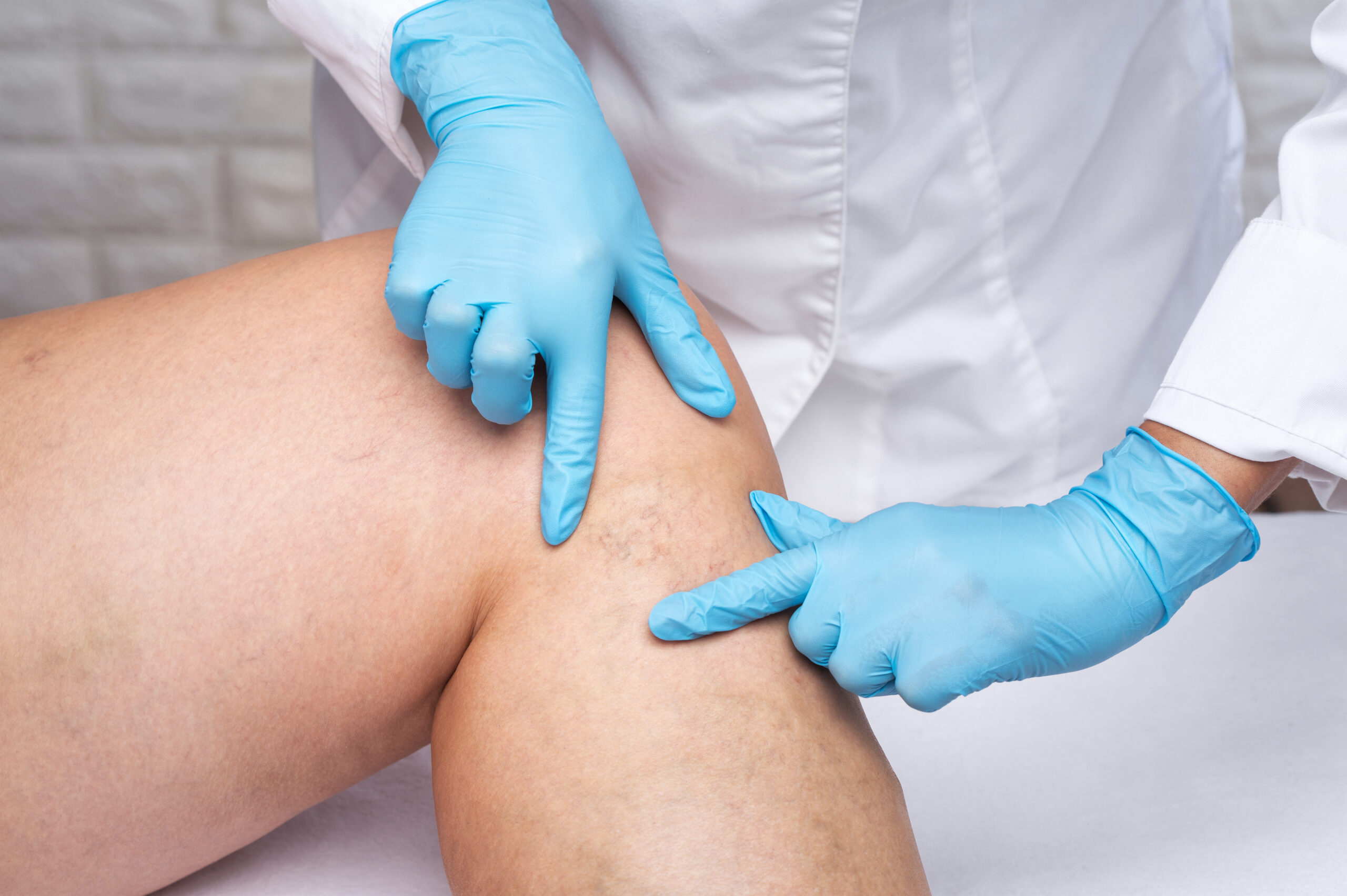
Vein Problems We Treat in Westport, CT
Varicose Veins
Varicose Veins
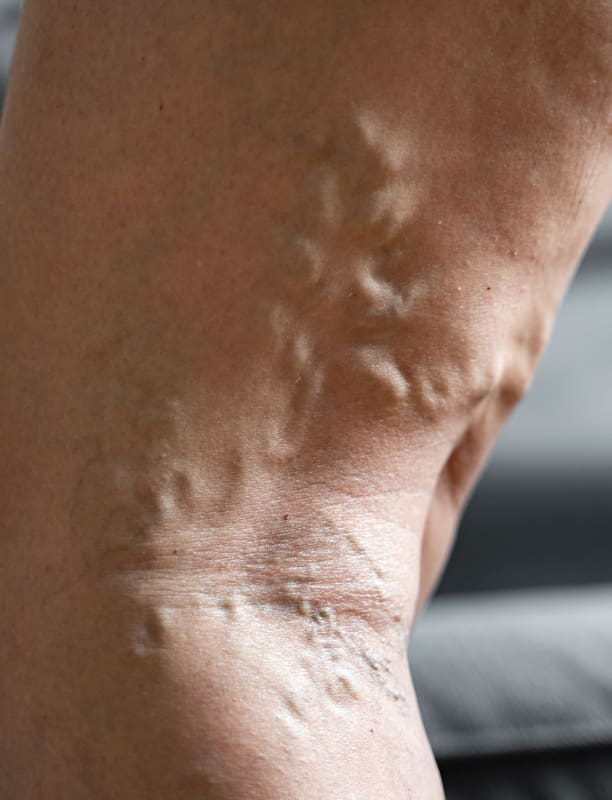
Varicose veins are enlarged surface veins that can create aching, pressure, throbbing, or a tired-leg feeling that builds through the day. Some people also notice ankle puffiness, itching, or cramps at night. Lasting relief often starts with treating the vein responsible for the pressure, not only the visible branches.
Spider Veins
Spider Veins
These are the smaller red, blue, or purple-colored veins close to the skin’s surface. While many people seek spider veins for cosmetic reasons, others suffer discomfort, such as stinging or itching sensations, especially after long stretches on your feet. If there’s involvement by a deeper vein, this must be established first.
Restless Leg Syndrome
Restless Leg Syndrome
If your legs feel unsettled at night or you get that urge to move them, there can be more than one cause. For some patients, venous reflux plays a role, especially when symptoms worsen later in the day. A focused evaluation helps clarify whether veins are part of the issue.
Cosmetic Hand & Facial Vein Treatment
Cosmetic Hand & Facial Vein Treatment
If visible veins on your hands or face bother you, cosmetic options may help soften their appearance. The right approach depends on the size, location, and the outcome you’re looking for.
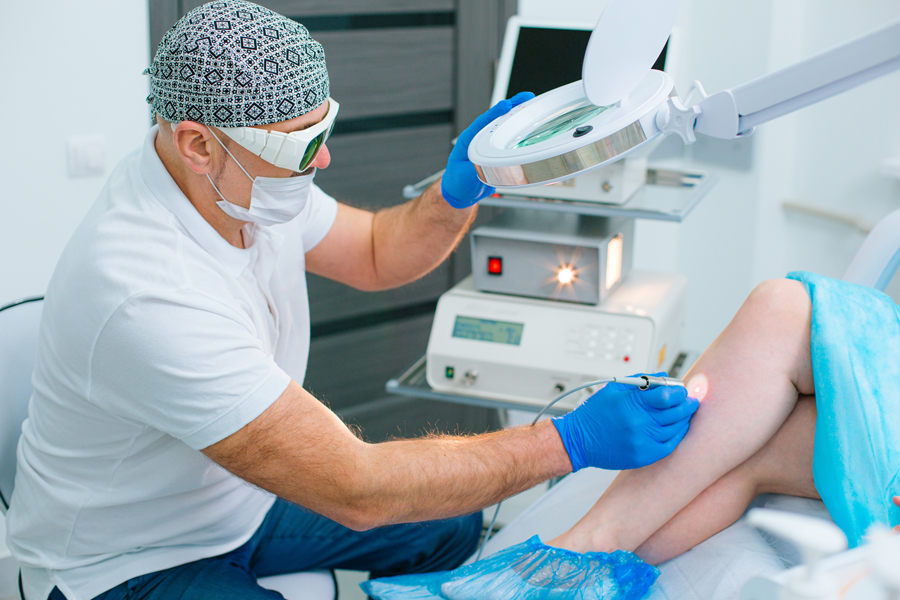
Options for In-Office Vein Treatments in Westport, CT
- Radiofrequency ablation (RFA): The radiofrequency ablation procedure uses controlled heat to close the affected vein from the inside. Once the vein closes, the blood flows into adjacent healthy veins. The radiofrequency ablation procedure takes place in an outpatient setting and is recommended for cases where there are symptoms such as heaviness, aching, swelling, or varicose veins.
- VenaSeal™ closure: The VenaSeal™ system provides a non-thermal treatment method involving application of an adhesive agent for closing the problematic vein. Since no heat is involved in the procedure, VenaSeal™ could be right for you depending on where the veins are located and how your body responds.
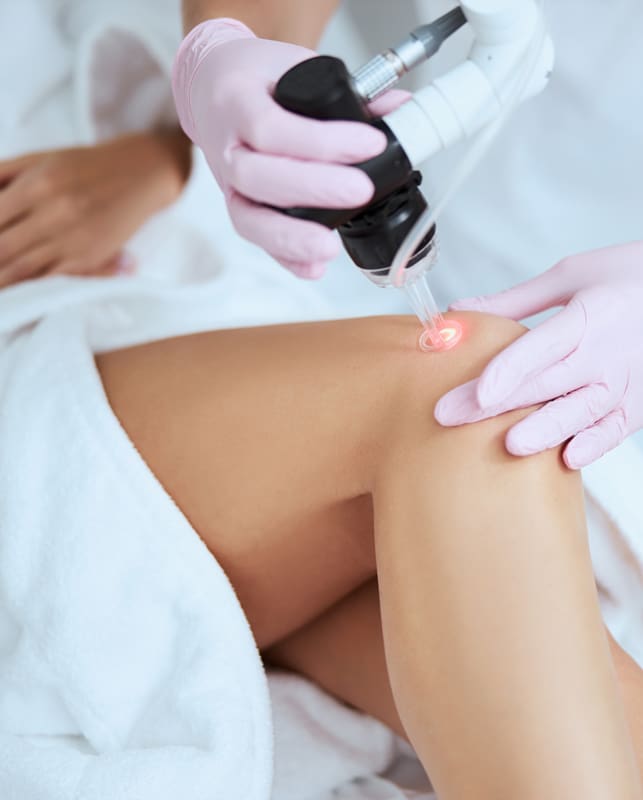
- Sclerotherapy: Sclerotherapy is commonly used for spider veins and smaller varicose veins. A small amount of solution is injected into the affected vein, causing it to close and gradually fade. This treatment is often chosen for visible surface veins on the legs and may also be considered for certain cosmetic vein concerns on the hands or face.
Other Treatments to Resolve Your Varicose Veins
Ultrasound Guided Foam Sclerotherapy
When a vein cannot be treated accurately by sight alone, ultrasound-guided foam sclerotherapy may be recommended. Ultrasound allows the provider to see the target vein during treatment and place the medication more precisely.
Microphlebectomy
Microphlebectomy is used for larger surface veins that are raised, bulging, or rope-like. The vein is removed through very small openings in the skin. Sutures are usually not needed, and the procedure is typically performed in the office.
Conservative Therapy
Some patients benefit from starting with non-procedural care. Compression stockings, walking, leg elevation, calf movement, and basic skin care may help reduce swelling, pressure, and discomfort. Conservative care may also be part of insurance requirements before certain treatments are approved.
Duplex Ultrasound Imaging
Duplex ultrasound gives your provider a detailed look at blood flow and vein valve function. This test can show whether reflux is present, which veins are involved, and how treatment should be planned. It is especially helpful when symptoms are present, but the cause is not obvious from visible veins alone.
A Phased Treatment Plan
Vein treatments are most effective when the treatment process is planned in the right order based on where the reflux starts. When one large vein with reflux is feeding several smaller surface veins, the source needs to be taken care of first before addressing any other issues.
Why Patients Choose Vein Institute
- Board-certified providers experienced in diagnosing and treating vein disease
- Minimally invasive options performed in a comfortable office setting
- Duplex ultrasound available for accurate evaluation and planning
- Treatment options for both medical symptoms and cosmetic concerns
- Clear explanations, practical recommendations, and attentive follow-up
Schedule Vein Treatment in Westport, CT
If you live in Westport and your legs feel heavy, swollen, achy, restless, or you are noticing varicose or spider veins, call (203) 426-5554 to schedule an appointment today. We will review your symptoms, evaluate your circulation, and explain which treatment options make sense for your situation.
FAQs About Vein Treatment
Do I need a referral for vein treatment?
For most patients, a referral is not required for an initial vein evaluation. However, there may be different insurance requirements, which our staff can help guide you through before your treatment.
Can I drive myself home after treatment?
Many minimally invasive vein treatments allow patients to drive themselves home afterward. This depends on your individual treatment plan and the procedure. Your doctor will let you know what to expect beforehand.
When can I walk or exercise again after vein treatment?
Light walking is recommended after vein treatment because calf movement facilitates blood flow. Exercising after a vein treatment procedure may have to wait a little while, depending on the procedure.
Does insurance cover vein treatment?
Vein treatment may be covered under your insurance policy if there is a clinical necessity based on the symptoms you experience and your ultrasound results. Cosmetic vein procedures, such as spider vein treatment done for appearance only, are usually not covered by insurance.
What happens at the first appointment?
Your first visit usually includes a discussion of your symptoms, health history, visible veins, and goals. If ultrasound is needed, it can help check for reflux and identify which veins are involved. After the evaluation, your provider will explain the findings and recommend next steps.