
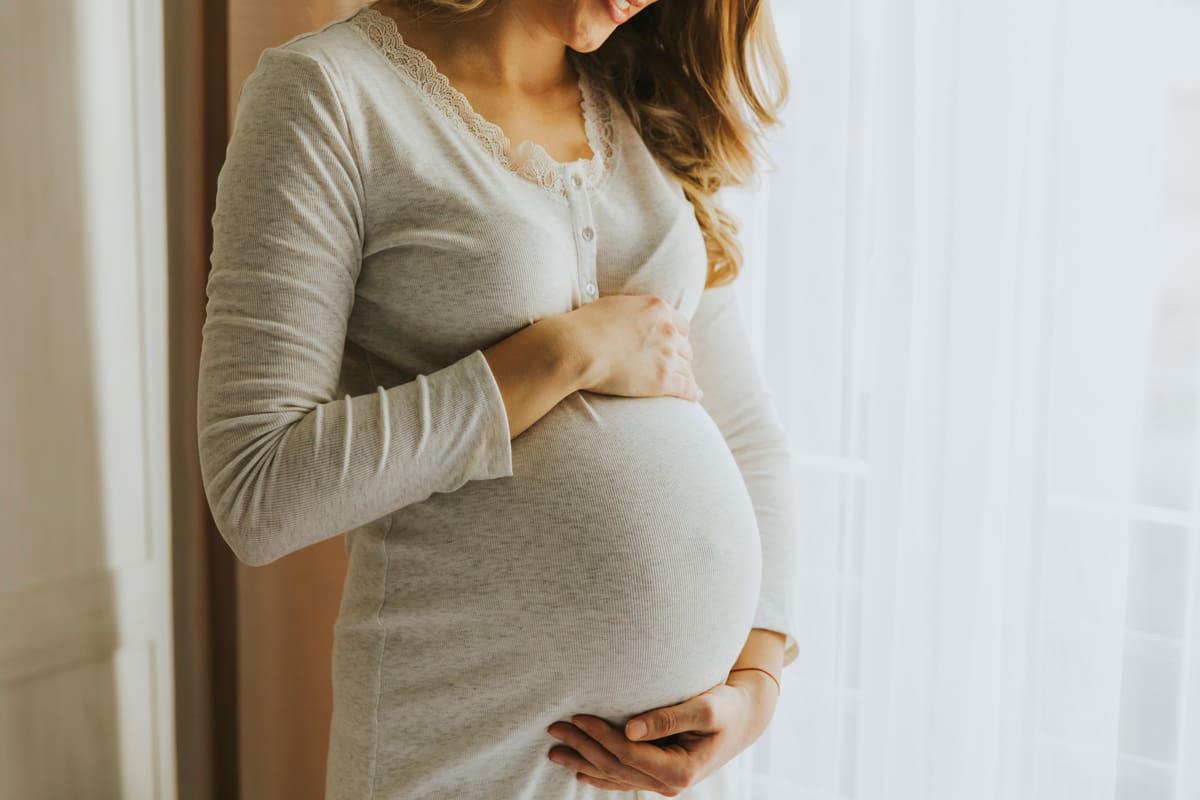
Pregnancy is a common time for varicose veins to appear for the first time or worsen.
During pregnancy, your body produces more blood to support your baby. At the same time, pregnancy hormones relax the walls of your veins, making them less firm. As your uterus grows, it also puts pressure on the veins in your pelvis that help return blood from your legs to your heart. Together, these changes can slow blood flow in the legs and lead to varicose veins.
Many women notice changes in the second or third trimester. You might see new bulging veins, or feel heaviness, aching, swelling, or itching that builds as the day goes on.
In most cases, pregnancy-related varicose veins are not dangerous, and they often improve after delivery. However, some symptoms may warrant a closer evaluation, and there are safe ways to manage discomfort during pregnancy and treat persistent veins afterward.
Why Varicose Veins Are Common During Pregnancy
Varicose veins occur when the valves inside the veins do not function properly, allowing blood to flow backward and pool in the veins instead of returning efficiently to the heart.
Pregnancy increases the likelihood of developing varicose veins because of several changes that affect circulation:
Increased Blood Volume
During pregnancy, the blood volume increases by 40-50% to support the growing fetus. This increase puts additional pressure on the blood within the veins.
Hormonal Changes
During pregnancy, there is an increase in the hormone progesterone, which makes the blood vessel walls relax. While this is good for the body during pregnancy, this effect makes the veins more prone to stretching.
Pressure from the Growing Uterus
As the uterus grows, it might press on major veins in the pelvic area, which slows down the returning blood from the legs to the heart. The more blood that pools in the legs, the more the veins might become enlarged and more visible.
Genetics
Varicose veins have a tendency to run in families because some people have weaker vein walls or valves. Pregnancy might bring the tendency for varicose veins forward because it adds more pressure and stress on the veins in the legs.
What Do Varicose Veins During Pregnancy Feel Like?
For some, the changes are only cosmetic, while for others, there may be additional symptoms, including:
- Aching or heavy legs
- Throbbing or burning
- Swelling in the ankle or calf
- Itching around the varicose veins
Are Varicose Veins During Pregnancy Dangerous?
In most instances, varicose veins experienced by pregnant women are harmless. However, you should seek medical attention at once if you experience:
- Sudden swelling in a leg
- Leg pain or tenderness on one side
- Redness and warmth around a vein
- Trouble breathing or chest pain
- These symptoms indicate a possible blood clot.
Do Varicose Veins Go Away After Pregnancy?
For most women, varicose veins tend to improve within a few months after childbirth. This is because hormone levels normalize, as does the pressure on the uterus.
Varicose veins that were greatly stretched may not go back to their former state. In some cases, varicose veins persist and can become more severe during subsequent pregnancies.
How to Prevent or Reduce Varicose Veins During Pregnancy
Although you cannot prevent hormonal changes or genetics, you can help prevent or reduce the risk of varicose veins.
- Wear Compression Stockings: Compression stockings are a great way to help you prevent or reduce varicose veins during your pregnancy period.
- Avoid Prolonged Standing or Sitting: Take breaks now and then to move your body. This is a great way to promote circulation.
- Elevate Your Legs: This is a simple way of relieving your legs from varicose veins.
- Sleep on Your Left Side: This is a great way of relieving your legs from varicose veins.
- Stay Active: Staying active is a great way of promoting circulation.
- Aim for Healthy Pregnancy Weight Gain: Gaining weight within the healthy range is a great way of relieving your legs from varicose veins.
Treatment Options for Varicose Veins After Pregnancy
If varicose veins persist for several months after pregnancy, treatment is an option.
Options include:
Endovenous Ablation
Endovenous ablation is a minimally invasive treatment in which a damaged varicose vein is closed from the inside by the use of heat. Once the vein is closed, the body will automatically divert the blood flow to other healthy veins.
Sclerotherapy
Sclerotherapy is when particular solution is injected directly into the varicose vein. Over time, the vein closes and disappears as it is absorbed by the body.
Ambulatory Phlebectomy
In ambulatory phlebectomy treatment, any large, visible varicose vein is removed through very small incisions in the skin, and the procedure is usually carried out on an outpatient basis.
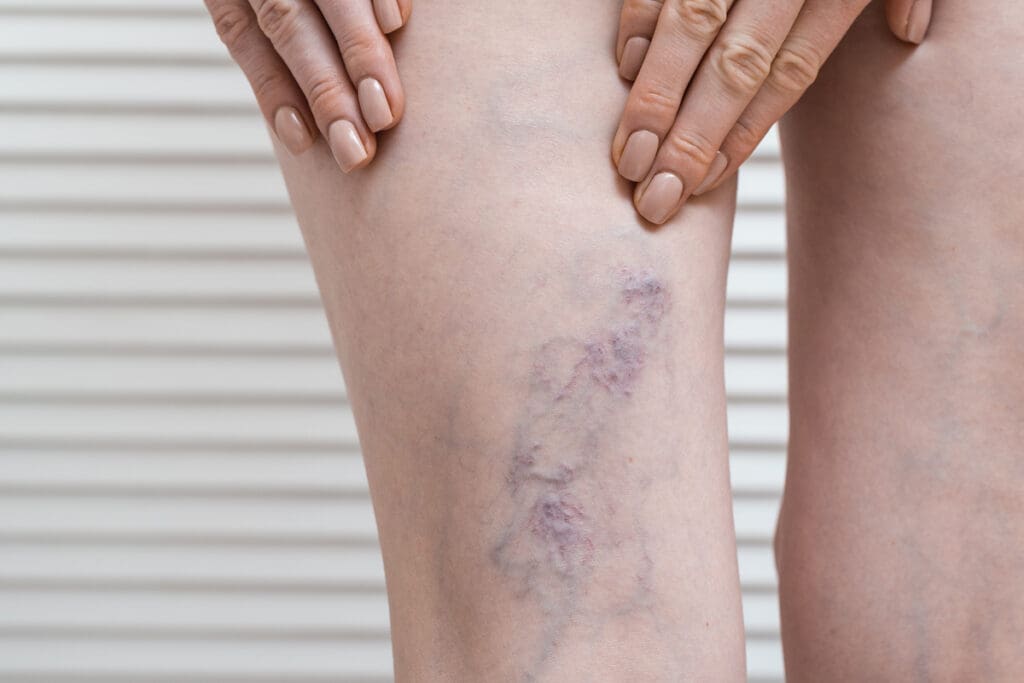
When to See a Vein Specialist After Pregnancy
If you are experiencing any of the following, it may be time to consider a vein specialist:
- If your veins are enlarged and this has been ongoing for months since delivery
- If pain or heaviness in the legs persists
- If changes in the skin, including darkening, irritation, or sores, are observed
- If a future pregnancy is being planned, advice on how to prevent vein problems is sought
- If there are concerns about the look of the veins
Pregnancy and Varicose Veins: When to Talk to a Specialist
Varicose veins are common during pregnancy. Increased blood volume, hormone changes, and pressure from the growing uterus all make it easier for blood to pool in the legs and for veins to enlarge. The good news is that most symptoms can be managed safely during pregnancy with the right plan, and if veins don’t improve after delivery, minimally invasive treatment options are available.
If your legs feel heavy, achy, swollen, or you’re noticing veins getting worse, it’s worth getting expert guidance.
Schedule a consultation with Vein Institute to get answers, understand what’s normal, and build a clear plan for comfort now and healthier legs after pregnancy.