
Varicose Vein Treatment in Newtown, CT
Personalized Varicose Vein Care for Newtown Residents
Varicose veins can become more noticeable over time, and symptoms may feel worse after long periods of standing, sitting, working, exercising, or spending the day on your feet. Varicose veins can be treated in several ways, and many procedures are performed in our office with minimal disruption to your daily routine.
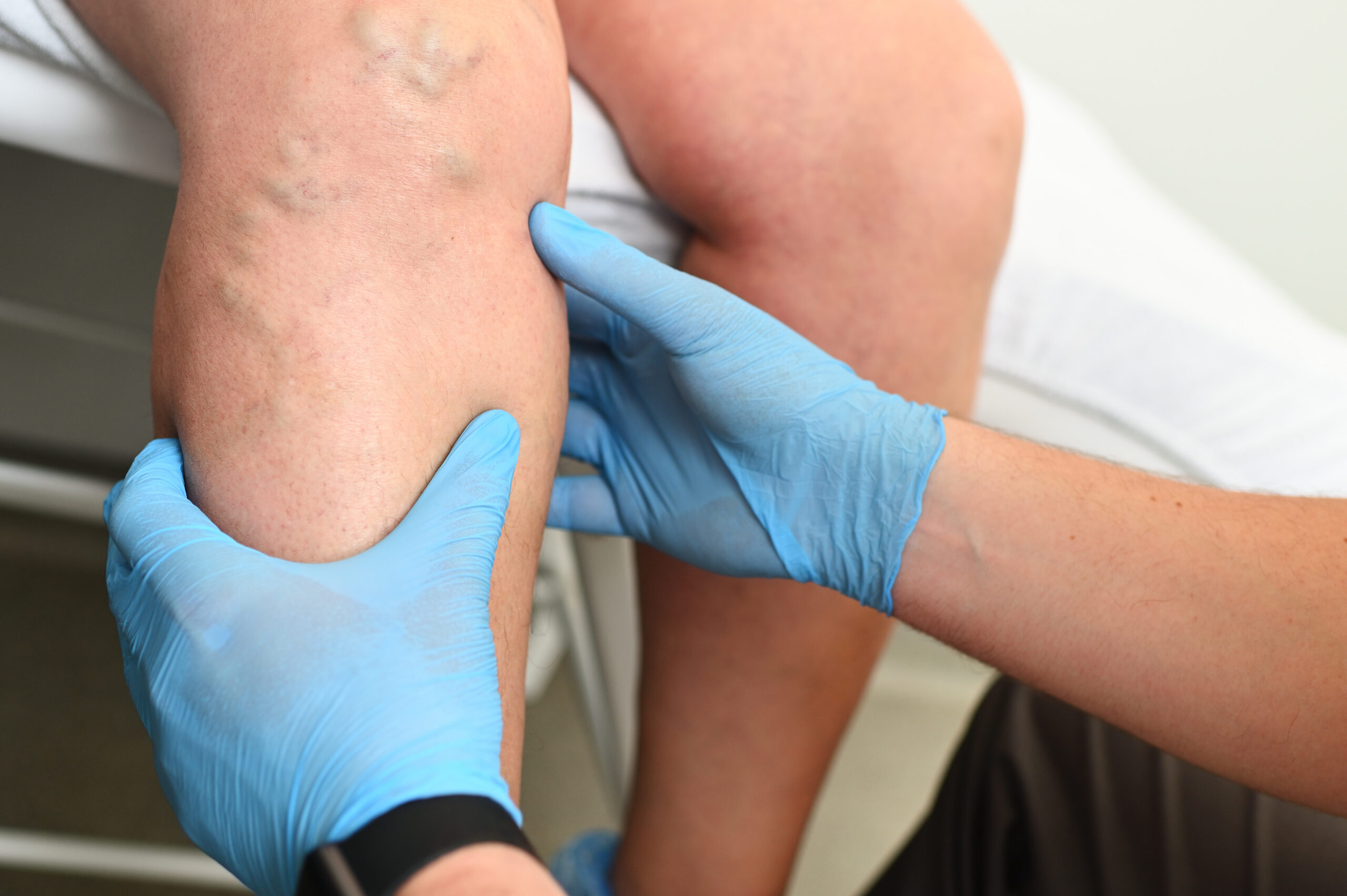
At Vein Institute, we provide varicose vein treatment for Newtown patients who want to understand what is happening beneath the surface and whether treatment could help. Our providers can evaluate your symptoms, examine the affected veins, and use duplex ultrasound when needed to look for venous reflux. From there, we can recommend an approach based on the veins involved, your symptoms, and your treatment needs.
There are many ways to treat varicose veins, and many of them can be done in our office without much disruption of your everyday life.
Varicose Vein Problems We Treat in Newtown, CT
Raised or bulging varicose veins
Raised or bulging varicose veins
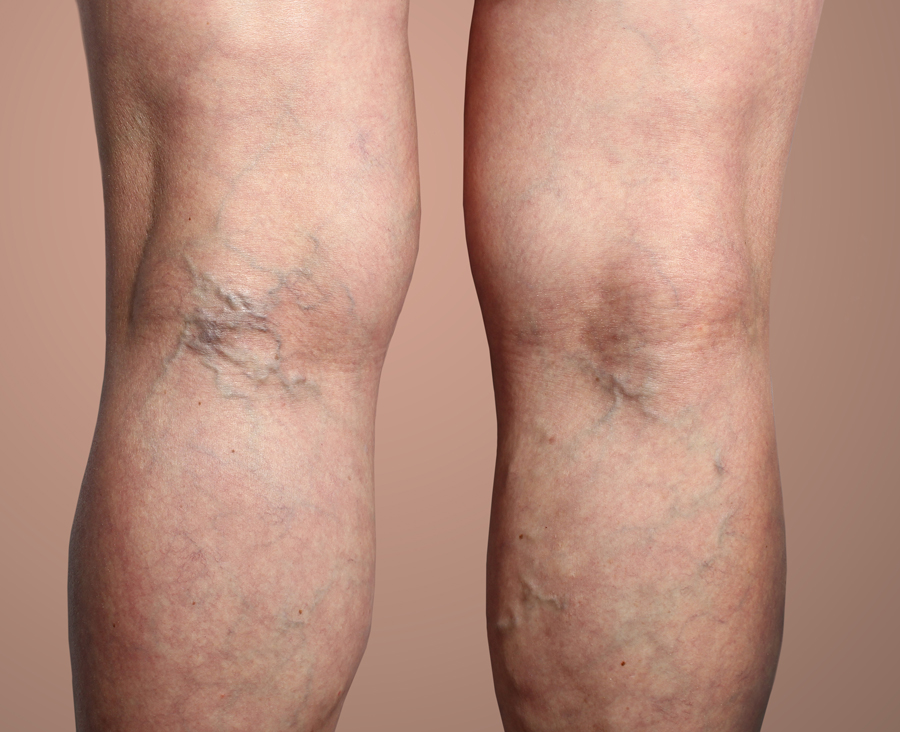
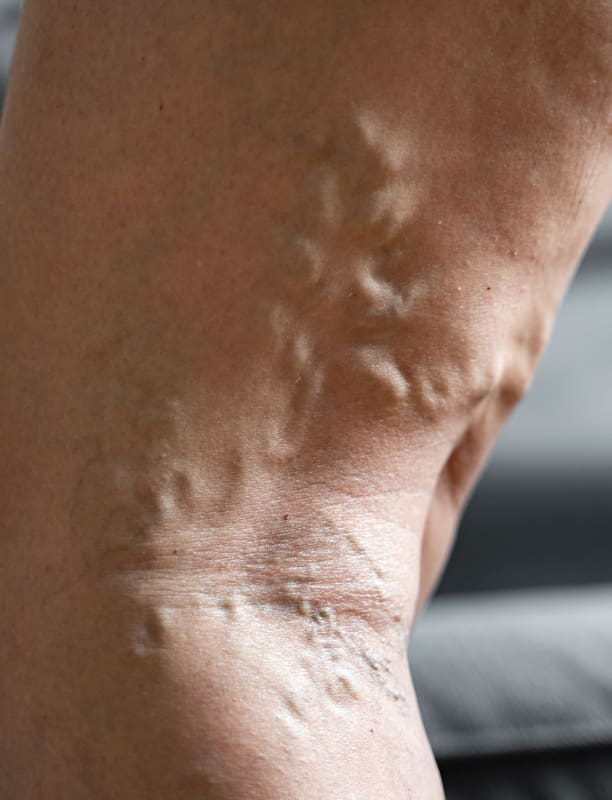
Enlarged veins can become twisted, prominent, or rope-like beneath the skin. Some remain mostly cosmetic, while others become sore, tender, or uncomfortable as pressure builds throughout the day.
Leg heaviness and swelling
Leg heaviness and swelling
Poor vein circulation can contribute to a heavy or tired feeling in the legs, along with swelling around the ankles or lower legs. Symptoms often become more noticeable after sitting or standing for extended periods.
Aching, throbbing, and cramping
Aching, throbbing, and cramping
Varicose veins can contribute to aching, burning, throbbing, or nighttime cramps. Some patients notice that discomfort improves when they elevate their legs or start moving again.
Skin irritation and changes
Skin irritation and changes
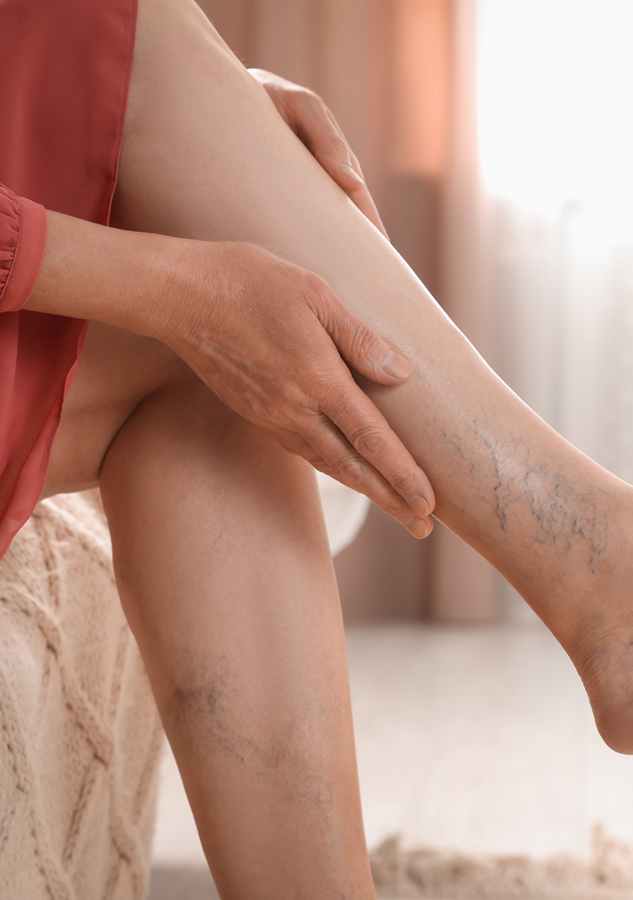
Long-term venous pressure can sometimes affect the skin around the lower legs and ankles. Dryness, itching, irritation, or discoloration can develop when circulation problems continue over time.
Options for In-Office Varicose Vein Treatments in Newtown, CT
- Radiofrequency ablation (RFA): Radiofrequency ablation treats veins affected by reflux using controlled thermal energy. A thin catheter is placed inside the vein, allowing the provider to close the damaged vessel so blood can travel through healthier veins instead.
RFA can be used when an underlying refluxing vein contributes to symptoms such as swelling, aching, heaviness, pressure, or prominent varicose veins.
- VenaSeal™ closure: VenaSeal™ closes a damaged vein using a medical adhesive rather than heat. After the vein is sealed, blood naturally redirects through other healthy vessels.
This treatment can be appropriate for certain vein patterns and anatomies. Your provider will review your ultrasound findings, symptoms, and medical history before recommending VenaSeal™.
- Sclerotherapy: Sclerotherapy can be used to treat smaller varicose veins and remaining surface veins after the main source of reflux has been addressed. A medication is injected directly into the vein, causing it to close and gradually become less noticeable.
The number of treatments needed can vary based on the size, number, and location of the affected veins.
Other Treatments to Address Your Varicose Veins
Ultrasound-Guided Foam Sclerotherapy
Some varicose veins are not easy to see from the surface. Ultrasound-guided foam sclerotherapy allows the provider to follow the affected vein with imaging while delivering medication directly into the vessel.
This approach can be useful for veins that sit deeper beneath the skin or connect to more complex vein pathways.
Microphlebectomy
Large varicose veins close to the surface of the skin may be treated with microphlebectomy. During this procedure, the provider removes sections of the affected vein through very small openings in the skin.
Microphlebectomy is generally performed in the office, and stitches are often unnecessary because the openings are so small.
Conservative Therapy
Some patients begin with conservative measures before considering a procedure. These may include compression stockings, regular walking, leg elevation, calf exercises, and avoiding long periods without movement.
Conservative treatment can reduce heaviness, swelling, and discomfort, although it does not correct a damaged vein valve. Some insurance plans also require a period of conservative care before approving certain procedures.
Duplex Ultrasound Imaging
A duplex ultrasound allows your provider to examine how blood moves through the veins in your legs. The test can identify reflux, show which veins are affected, and reveal connections between deeper veins and visible varicose veins.
This information helps determine whether the problem involves one vein or several connected vessels and which treatment approach makes the most sense.
A Step-by-Step Treatment Plan
Visible varicose veins are sometimes only one part of the problem. A larger vein beneath the surface may allow blood to flow backward and increase pressure in the veins you can see.
When this happens, treatment may begin with the source of the reflux. Once that vein has been addressed, your provider can evaluate any remaining bulging surface veins and decide whether additional treatment, such as microphlebectomy or sclerotherapy, would be helpful.
Why Patients Choose Vein Institute
- Board-certified providers with experience treating varicose veins and venous reflux
- In-office procedures designed to minimize downtime
- Duplex ultrasound for detailed vein evaluation and treatment planning
- Multiple treatment options for different vein patterns and symptoms
- Recommendations based on your circulation, anatomy, and individual concerns
- Ongoing follow-up after treatment
Schedule Varicose Vein Treatment in Newtown, CT
If varicose veins are causing aching, swelling, heaviness, tenderness, or discomfort in your legs, Vein Institute can help you determine what is contributing to your symptoms.
Call (203) 426-5554 to schedule a varicose vein evaluation in Newtown. Our team can examine the affected veins, assess your circulation, and discuss treatment options based on what we find.
FAQs About Vein Treatment
Do I need a referral for varicose vein treatment?
Most patients can schedule an initial vein evaluation without a referral. Insurance requirements vary, however, so some plans may require additional documentation or authorization. Our team can help you understand any requirements before treatment begins.
Can I drive myself home after treatment?
Many office-based varicose vein procedures do not require someone else to drive you home. Transportation recommendations can vary depending on the procedure and any medications used, so your provider will give you instructions ahead of time.
When can I walk or exercise again after vein treatment?
After vein treatment, your physician might recommend that you walk immediately following surgery in order to stimulate blood flow in the legs. Your doctor may instruct you to abstain from exercise or other strenuous activities based on the specific type of vein therapy performed.
Does insurance cover varicose vein treatment?
Insurance can cover varicose vein procedures when symptoms and diagnostic findings show medical need. Your plan may also require documentation of conservative treatment before approving a procedure. Treatments performed solely for cosmetic reasons are generally not covered.
What happens at the first appointment?
During your initial consultation with your doctor, they will discuss your symptoms and medical history. The physician will want to know how long you’ve had the veins and whether they interfere with your daily routine. The legs will be inspected for varicose veins, edema, sensitivity, or other skin changes.