
Varicose Vein Treatment in Fairfield, CT
Personalized Varicose Vein Care for Fairfield Residents
Varicose veins may first seem like a cosmetic concern, but they can also cause physical symptoms. You may notice aching after a long day, heaviness in your legs, swelling around the ankles, or bulging veins that feel tender, raised, or uncomfortable. These symptoms can become more noticeable after standing, sitting, commuting, exercising, or spending time on your feet.
At Vein Institute, we help Fairfield patients understand what is causing their varicose veins and which treatment options may help. Our team can evaluate your symptoms, check for venous reflux with duplex ultrasound when needed, and recommend a plan based on your circulation, anatomy, and goals. Many varicose vein treatments are performed in the office with minimal downtime.
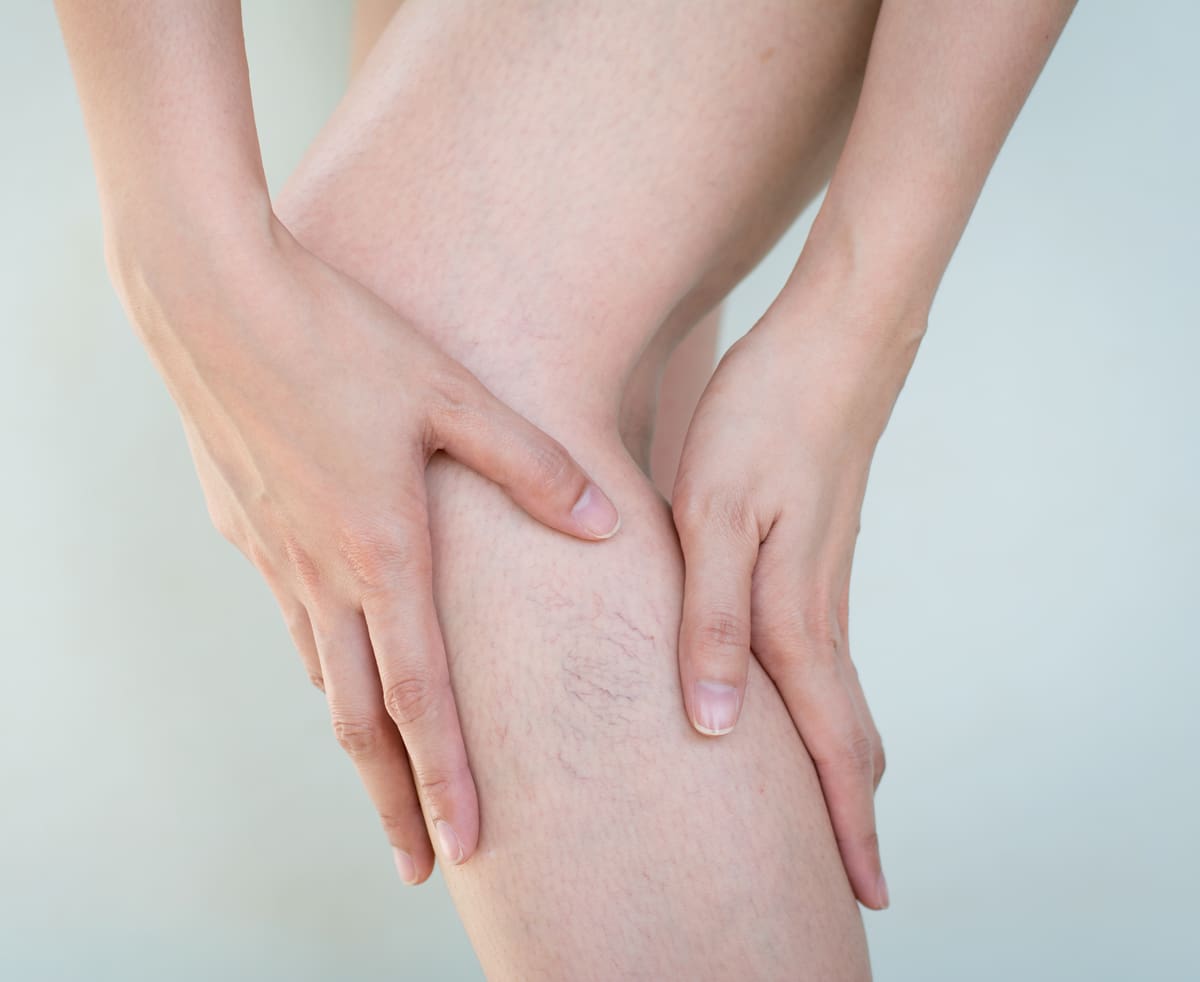
Varicose Vein Problems We Treat in Fairfield, CT
Varicose Veins
Varicose Veins
Varicose veins are enlarged, twisted veins that often appear raised beneath the skin. They may cause aching, pressure, throbbing, tenderness, or a tired-leg feeling that builds throughout the day.
Leg swelling and heaviness
Leg swelling and heaviness
Varicose veins can make the lower legs and ankles feel swollen, heavy, or tight, especially after long periods of standing or sitting. These symptoms may improve with elevation but return as the day continues.
Aching, cramping, and itching
Aching, cramping, and itching
Some patients experience burning, itching, cramping, or discomfort around the affected veins. Symptoms may become more noticeable at night or after a physically active day.
Skin changes related to vein disease
Skin changes related to vein disease
Ongoing venous pressure can sometimes contribute to dry skin, discoloration, irritation, or changes around the ankles. An evaluation can help determine whether varicose veins or venous reflux are contributing to these concerns.
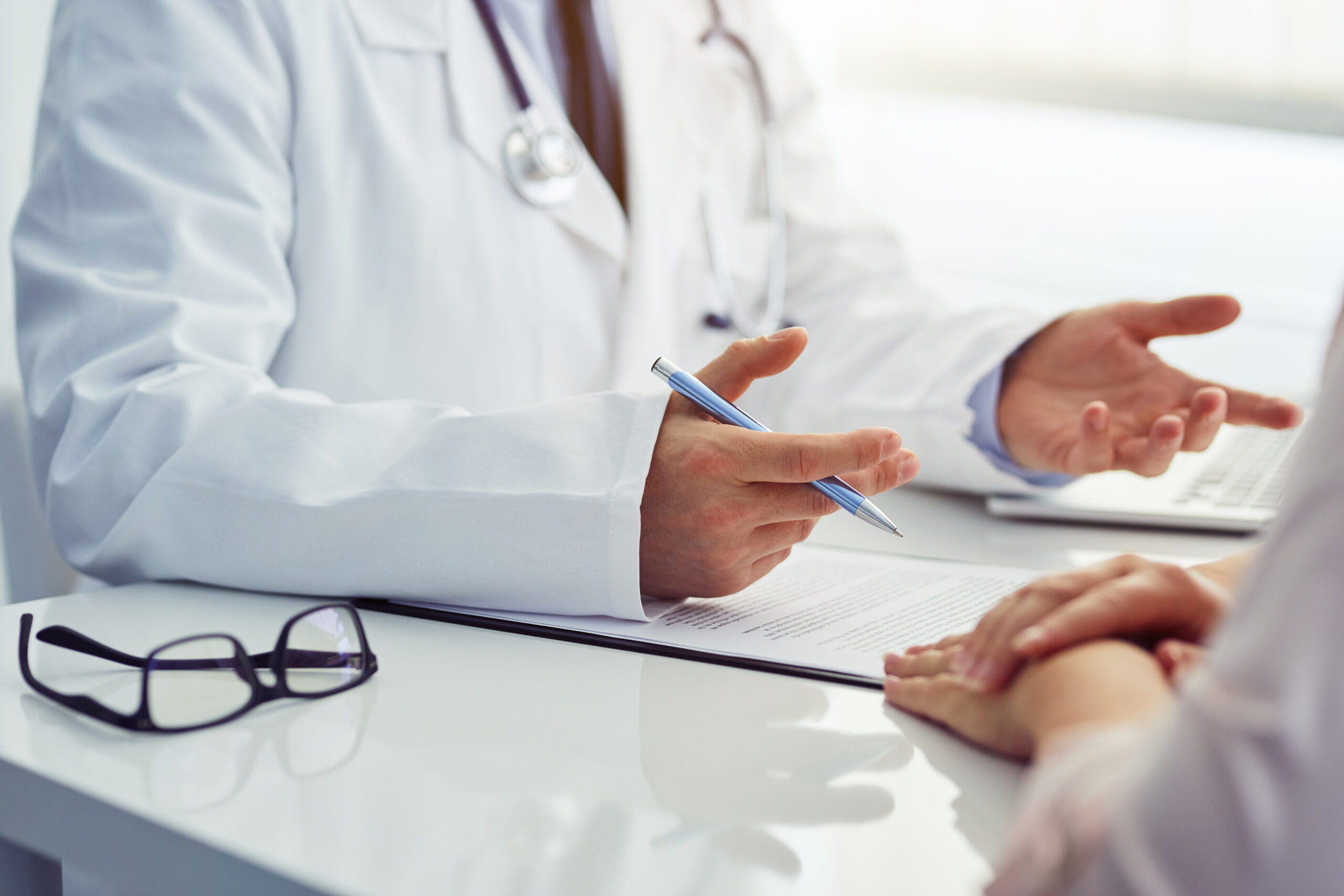
Options for In-Office Varicose Vein Treatments in Fairfield, CT
- Radiofrequency ablation (RFA): A Radiofrequency ablation may be used when an underlying vein is not moving blood efficiently. The treatment closes the affected vein so blood can reroute through healthier vei
- VenaSeal™ closure: VenaSeal™ uses a medical adhesive to close certain problematic veins without heat. Your provider can determine whether it is appropriate based on your vein anatomy and ultrasound findings.
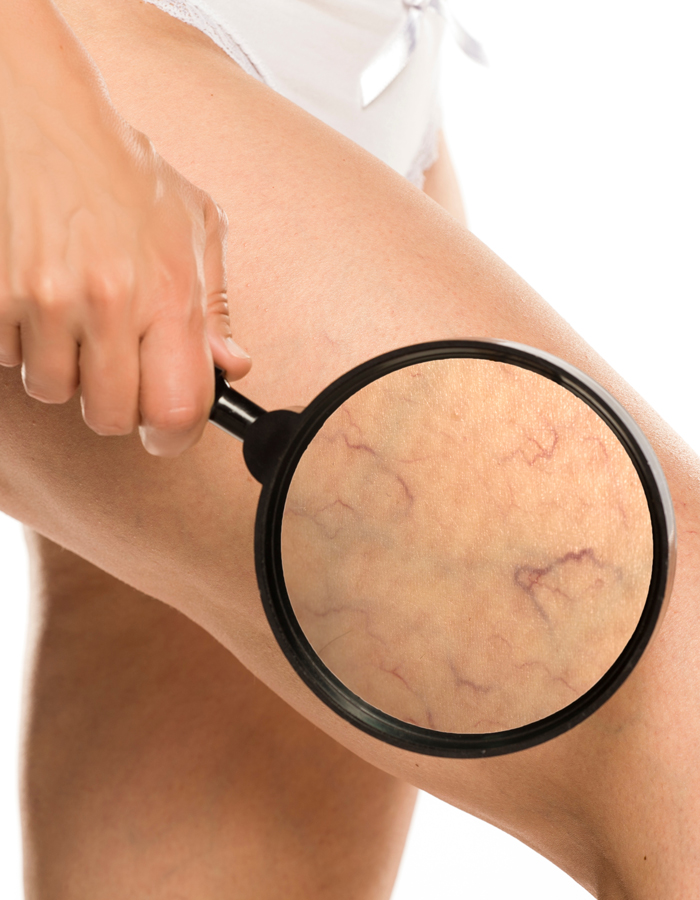
- Sclerotherapy: Sclerotherapy is commonly used to treat smaller varicose veins and spider veins. Medication is injected directly into the vein, causing it to close and gradually become less visible.
Other Treatments to Resolve Your Varicose Veins
Ultrasound Guided Foam Sclerotherapy
Some varicose veins are connected to deeper or less visible vein pathways. Ultrasound-guided foam sclerotherapy allows the provider to see the target vein during treatment and place the medication with greater precision. This can be helpful when a vein cannot be treated accurately by sight alone.
Microphlebectomy
Larger bulging veins close to the surface of the skin may be removed through very small openings using microphlebectomy. This is typically performed in the office and usually does not require stitches.
Conservative Therapy
Not every patient starts with a procedure. Conservative care may include compression stockings, walking, leg elevation, calf movement, and skin care. These steps can help reduce swelling, pressure, and discomfort. Conservative therapy may also be part of insurance requirements before certain vein procedures are approved.
Duplex Ultrasound Imaging
A duplex ultrasound provides your doctor with a more detailed image of the flow of blood in the leg veins. It can show whether venous reflux is present, identify the veins involved, and help your doctor plan the appropriate treatment. This procedure is particularly helpful if you have symptoms, but the cause is unclear based on visible veins.
A Step-by-Step Treatment Plan
Varicose vein treatment often works best when the source of reflux is addressed first. If a larger vein is feeding smaller bulging veins or spider veins, treating the source vein first can help create a more effective plan. After that, remaining surface veins can be treated if needed.
Get Varicose Vein Care Close to Home in Fairfield
- Expert-led evaluation of symptoms, visible veins, and medical history
- Duplex ultrasound when needed to identify venous reflux
- Personalized varicose vein treatment recommendations based on your anatomy
- Minimally invasive treatment of problem veins when appropriate
- Follow-up care for remaining veins and ongoing concerns
Schedule Varicose Vein Treatment in Fairfield, CT
If you live in Fairfield and are dealing with bulging varicose veins, leg heaviness, swelling, aching, or visible veins that keep getting worse, call (203) 426-5554 today to schedule an appointment. We will review your symptoms, evaluate your circulation, and explain which treatment options make sense for your situation.
FAQs About Varicose Vein Treatment
How do I know if my varicose veins should be treated?
Varicose veins do not always require treatment, but an evaluation may be worthwhile if you have persistent aching, swelling, heaviness, itching, tenderness, skin changes, or veins that are becoming larger or more uncomfortable.
How do you decide which varicose vein treatment is best?
Treatment depends on the size and location of the affected veins, your symptoms, and whether duplex ultrasound shows underlying venous reflux. Some patients need one treatment, while others may benefit from treating the source vein first and addressing remaining surface veins afterward.
Will treating the underlying vein get rid of all of my visible varicose veins?
Not always. Closing a vein affected by reflux can address the underlying circulation problem, but some visible surface veins may remain. Treatments such as sclerotherapy or microphlebectomy can be used afterward when appropriate.
Can varicose veins come back after treatment?
Successfully treated veins generally remain closed, but vein disease can progress over time and new varicose veins may develop. Follow-up care can help identify new concerns and determine whether additional treatment is needed.
Does insurance cover varicose vein treatment?
Insurance may cover treatment when varicose veins are causing symptoms and certain medical criteria are met. Cosmetic treatment is generally handled differently. Our team can help review your coverage and any requirements before treatment begins.