
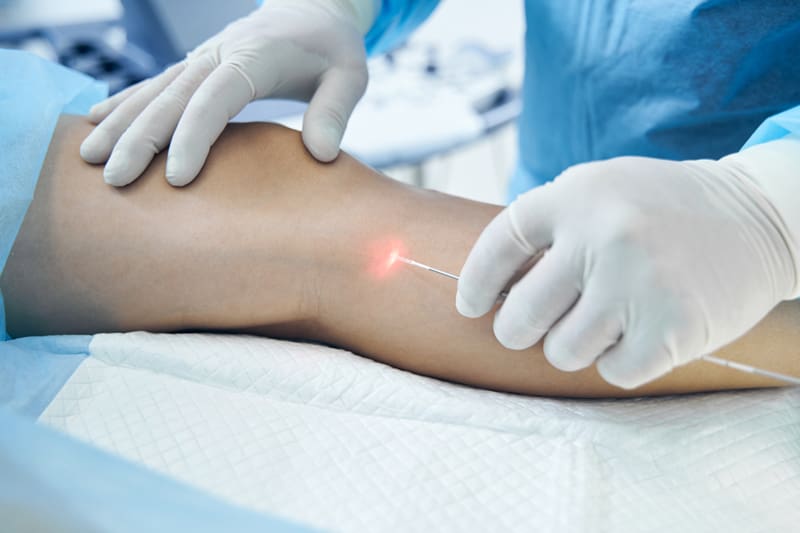
What Is Endovenous Ablation?
Endovenous ablation is a minimally invasive medical procedure used to treat varicose veins and venous insufficiency. It works by using heat or chemical energy to close off a damaged vein, allowing blood to reroute through healthier veins.
The procedure is performed through a small catheter inserted into the affected vein, typically under local anesthesia, and does not require surgery or large incisions.
If you’ve been told you have venous reflux or varicose veins, you may hear your provider mention endovenous ablation as a next step. For many patients, endovenous ablation can help reduce the pressure that causes aching, heaviness, swelling, and bulging surface veins.
What Does Endovenous Ablation Treat?
Endovenous ablation is used to treat chronic venous insufficiency, the underlying condition that causes many cases of varicose veins. This condition develops when the valves inside a vein stop working properly, allowing blood to flow backward and pool in the legs instead of moving efficiently back toward the heart.
As pressure builds in the affected vein, it can lead to common symptoms such as:
- Aching or heaviness in the legs
- Swelling, especially after long periods of standing
- Throbbing or cramping
- Visible, bulging varicose veins
- Skin irritation, discoloration, or texture changes in more advanced cases
Endovenous ablation targets the malfunctioning source vein responsible for this pressure. By closing that vein, blood is naturally rerouted to healthier veins, relieving pressure in the leg and improving both symptoms and circulation.
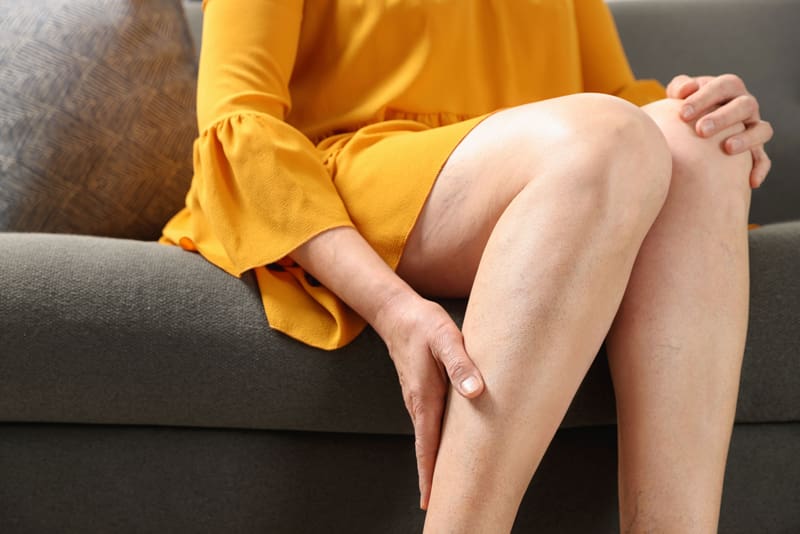
Am I a Candidate for Endovenous Ablation?
Endovenous ablation is generally recommended when:
- You have symptoms (heaviness, aching, swelling, fatigue) and/or visible varicose veins, and
- A duplex ultrasound confirms axial/truncal reflux that matches your symptoms.
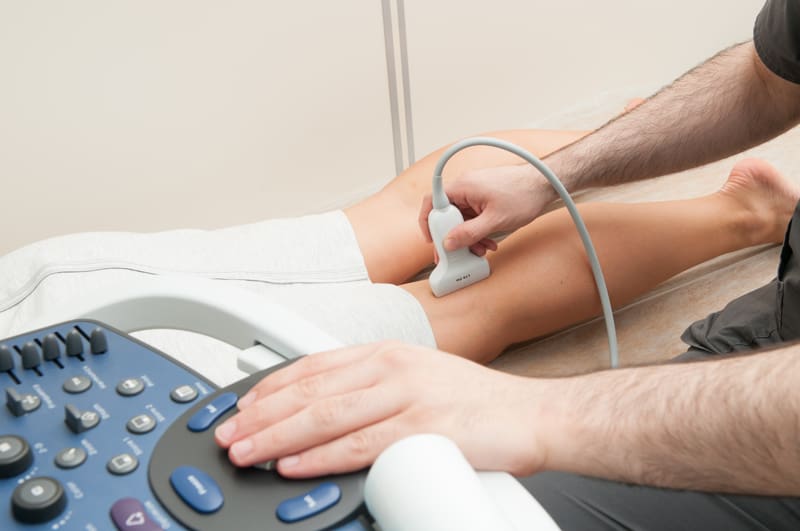
Ultrasound matters because it maps your vein anatomy, confirms reflux, and helps guide precise treatment.
What is the difference between RFA and EVLA?
There are two types of endovenous ablation:
- Radiofrequency Ablation (RFA): This is the use of radiofrequency waves to heat the vein wall, thus closing the vein.
- Endovenous Laser Ablation (EVLA) / EVLT: This is the use of laser technology to achieve the same result as RFA.
They both involve the use of catheters under the guidance of ultrasound technology to close the diseased vein. The “best” procedure is the one that works best with the anatomy of the vein and the one that the doctor is best at performing.
What Happens During an Endovenous Ablation Procedure?
The steps of the procedure are usually quite similar for most patients:
- Ultrasound for accurate placement and a plan for the vein and catheter
- Local numbing of the skin and vein area
- A small opening for the catheter
- Applying heat as the catheter is removed to close the vein
- Compression may also occur, depending on your plan
The procedure is typically performed on an outpatient basis or in an office setting, and patients can usually walk out immediately after the procedure.
Does Endovenous Ablation Hurt?
Most patients say endovenous ablation is more uncomfortable than painful. You’ll feel a few quick pinches and some pressure during the numbing, and then usually just a sense of pulling or tightness as the vein is treated. Afterward, it’s common to have mild soreness, bruising, or a tight feeling along the treated area for a few days, but most people manage it easily and stay active with light walking.
What Is Recovery Like After Endovenous Ablation?
The recovery process is often described as “sore and tight” rather than “painful.” Some short-term side effects may include:
- Bruising
- Tenderness along the treated vein
- A tight pulling sensation
- Mild swelling
In some instances, you may be advised to walk frequently and avoid prolonged periods of sitting or standing still. In some instances, you may also be required to avoid strenuous activities for a short period.
What Are the Risks of Endovenous Ablation?
Endovenous ablation is a very safe procedure, but it is still a medical procedure and therefore has some risks and side effects. Some of the risks include:
- Bruising or soreness
- Temporary numbness or tingling
- Skin irritation/burn (rare)
- Inflammation of the vein
- Blood clots (uncommon, but very important to monitor)
When Will I See Results From Endovenous Ablation?
While the vein will close during the procedure, improvement of your symptoms and appearance can take a few weeks. Some of your surface veins may also require further treatment after endovenous ablation, such as sclerotherapy or microphlebectomy, depending on your goals and how your veins respond.
Does Endovenous Ablation Completely Remove Varicose Veins?
Endovenous ablation treats the underlying refluxing “source” vein that causes pressure and symptoms such as pain, swelling, and heaviness. While closing this vein often improves circulation and discomfort, visible varicose veins do not always disappear on their own.
Some patients choose additional treatments to address remaining varicose veins or spider veins for both medical and cosmetic reasons.
Do I Need an Ultrasound Before Endovenous Ablation?
In most cases, the answer is yes. An ultrasound will confirm the presence of reflux, help us identify the vein, and plan the best course of treatment.
When to Schedule a Vein Evaluation
If you are experiencing leg heaviness, aching, swelling, or even the presence of varicose veins, especially if the problem is aggravating towards the end of the day, it is best to have your veins checked. A duplex ultrasound will help determine the cause of the problem. Reach out today to schedule your vein evaluation and get clear answers.