
Spider Vein Treatment in Fairfield, CT
Personalized Spider Vein Care for Fairfield Residents
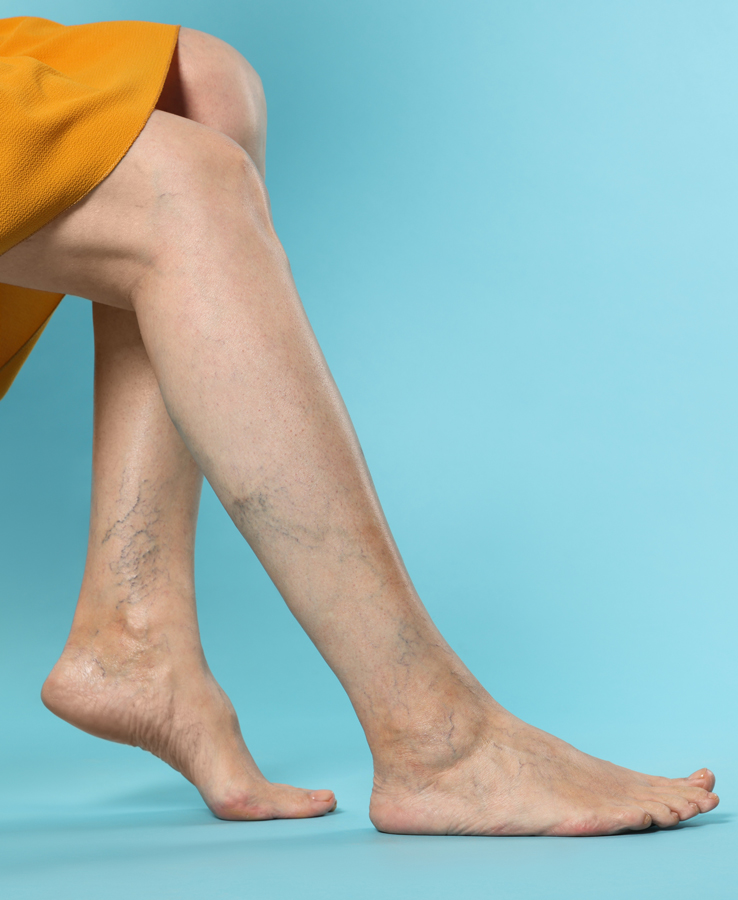
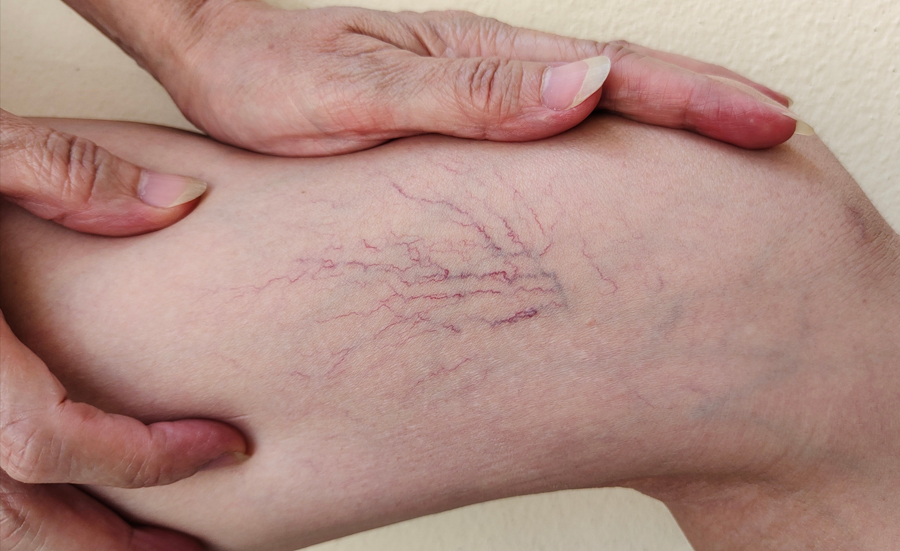
Spider veins are small clusters of red, blue, or purple veins that sit close to the surface of the skin. They often show up on the thighs, calves, ankles, or behind the knees and can become more noticeable with age, genetics, pregnancy, hormonal changes, or long periods of standing.
For many people, spider veins are mainly a cosmetic concern. Others notice mild burning, itching, tenderness, or discomfort in the surrounding area.
At Vein Institute, we offer spider vein treatment for our Fairfield patients for those who want to reduce the visibility of their veins and check if there is an underlying problem with other deeper veins. We evaluate the pattern of your veins and assess the symptoms you are experiencing and see if further tests are required.
Several office-based options are available, and the right approach depends on where the veins are located, how extensive they are, and whether another vein is contributing to them.
Spider Vein Concerns We Treat in Fairfield, CT
Clusters of Spider Veins on the Legs
Clusters of Spider Veins on the Legs
Some patients notice a few isolated veins, while others develop clusters along the thighs, calves, ankles, or behind the knees. The number and distribution of the veins can influence which treatment is recommended.
Fine Red, Blue, or Purple Veins
Fine Red, Blue, or Purple Veins
Spider veins often appear as thin lines, branches, or web-like patterns beneath the skin. They may develop in one small area or spread across a larger section of the leg.
Itching, Burning, or Mild Tenderness
Itching, Burning, or Mild Tenderness
Spider veins do not always cause symptoms, but some people experience irritation, burning, itching, or tenderness around the affected area.
If symptoms are persistent or are accompanied by swelling, heaviness, or larger visible veins, a more detailed vein evaluation may be appropriate.
Spider Veins Linked to Feeder Veins
Spider Veins Linked to Feeder Veins
In some cases, a larger vein beneath the surface contributes to the appearance of smaller spider veins. Treating only the visible surface veins may not be enough when an underlying feeder vein is involved.
Options for In-Office Spider Vein Treatments in Fairfield, CT
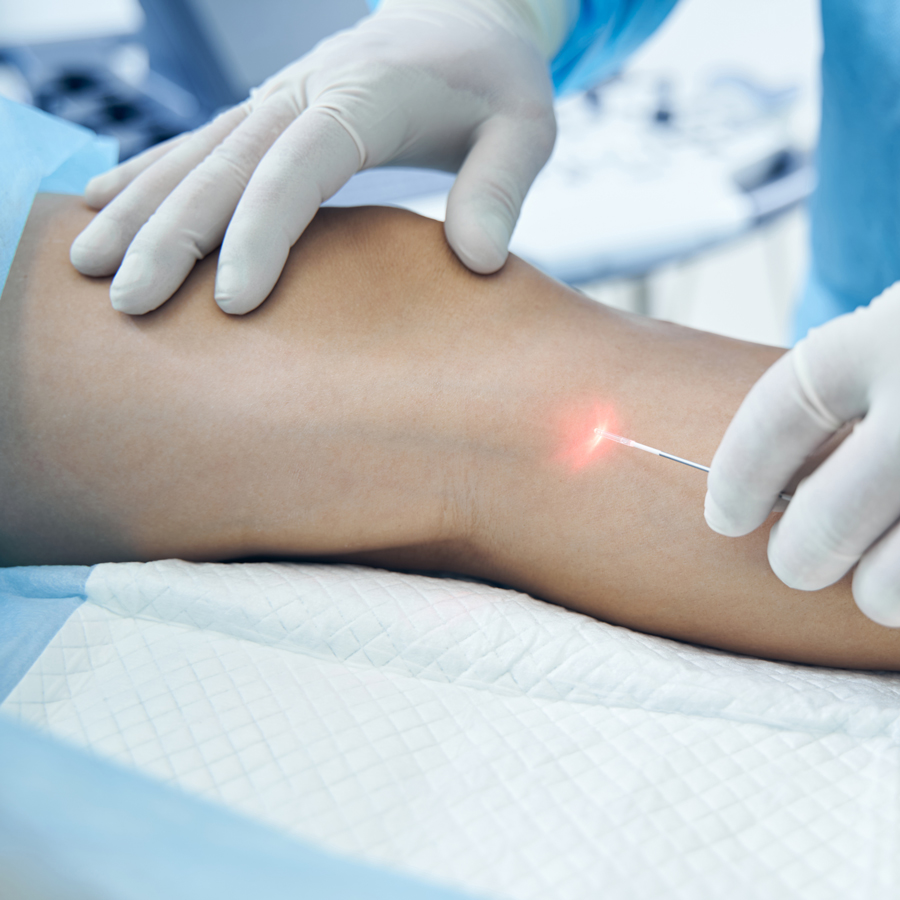
- Sclerotherapy: Sclerotherapy is commonly used to treat spider veins on the legs. A solution is injected into the targeted vein, causing it to close. Over time, the treated vein becomes less visible.
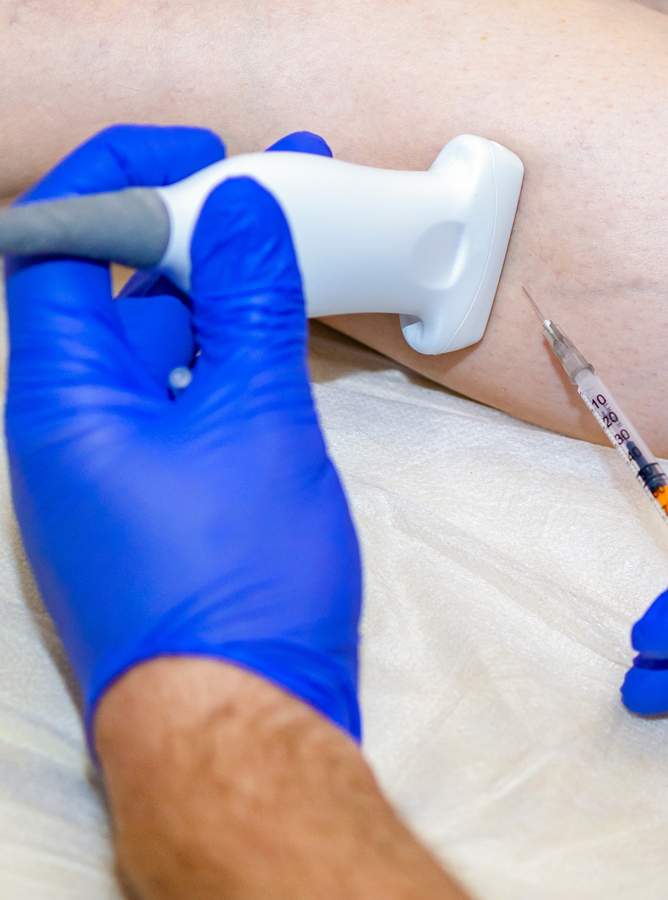
Some patients need more than one session depending on how many veins are present and how they respond to treatment. - Ultrasound-Guided Sclerotherapy: When a visible cluster appears to be connected to a deeper vein, ultrasound can help the provider locate that vessel and guide treatment more precisely.
This approach can be useful when the vein responsible for the surface pattern is not easy to see without imaging. - Treatment for Underlying Vein Reflux: Spider veins sometimes develop alongside larger vein problems. If testing shows venous reflux, treatment may focus on the affected vein first rather than treating the surface veins alone.
The specific procedure depends on the location and size of the vein involved.
Other Steps That May Be Part of Spider Vein Care
Duplex Ultrasound Imaging
Spider veins do not automatically require an ultrasound. Imaging is more likely to be recommended when you also have symptoms such as swelling, aching, heaviness, larger varicose veins, or recurring vein problems.
A duplex ultrasound can show how blood is moving through the leg veins and whether reflux is present.
Compression Stockings
Compression stockings may be recommended in certain situations before or after treatment. They provide gentle pressure that supports blood flow in the legs.
They do not make existing spider veins disappear, but they can sometimes be used as part of symptom management or post-treatment care.
Follow-Up Care
Treated spider veins usually fade gradually rather than disappearing immediately. Your provider may recommend a follow-up visit to see how the veins are responding and whether another session would be useful.
It is also possible for new spider veins to appear in other areas over time.
Evaluation of Larger Veins
When spider veins occur with larger varicose veins, ankle swelling, or ongoing leg discomfort, the larger veins may need attention first.
Looking at the broader vein pattern can help determine whether cosmetic treatment alone is appropriate.

A Step-by-Step Treatment Plan
The session starts with the assessment of visible veins, and your goals will be discussed. Your provider will examine the position, size, and configuration of the spider veins, and find out whether or not you have the symptoms of heaviness, swelling, aching, and tenderness.
If there are signs of a deeper circulation issue, additional testing may be recommended. When a feeder vein or venous reflux is found, that issue can be addressed before treating the smaller surface veins.
Once the underlying vein pattern is understood, your provider can recommend the most appropriate treatment for the remaining spider veins.
Why Patients Choose Vein Institute
- Board-certified providers experienced in cosmetic and medical vein care
- Office-based treatment options for visible spider veins
- Evaluation for deeper vein problems when symptoms suggest one may be present
- Treatment recommendations based on vein size, location, and pattern
- Care for both isolated spider veins and more complex vein concerns
- Follow-up visits to review progress and additional treatment needs
Schedule Spider Vein Treatment in Fairfield, CT
If spider veins on your legs have become more noticeable or are causing irritation or discomfort, Vein Institute can help you understand your options.
Contact us today to schedule a spider vein consultation in Fairfield. We can examine the affected areas, discuss your concerns, and recommend treatment based on the type and pattern of veins present.
FAQs About Vein Treatment
Do I need a referral for spider vein treatment?
Most patients can arrange an initial spider vein consultation without a referral. Coverage and authorization rules can vary, particularly when treatment is cosmetic rather than medically necessary.
Can I drive myself home after treatment?
Many spider vein procedures are completed in the office without sedation, so patients are often able to drive afterward. Your provider will give you instructions based on the specific treatment performed.
When can I walk or exercise again after spider vein treatment?
Light walking is often encouraged after treatment. Your provider may recommend waiting before returning to strenuous exercise, heavy lifting, or high-impact activity.
Does insurance cover spider vein treatment?
Insurance generally does not cover treatment performed only to improve the appearance of spider veins. Coverage may be different when symptoms or an underlying vein condition are present.
What happens at the first appointment?
The first visit usually includes a review of your medical history, an examination of the visible veins, and a discussion of any symptoms you are having. If your provider suspects a deeper vein issue, additional testing such as duplex ultrasound may be recommended.